

The best EOS Scorecard metrics are the five to 15 weekly Measurables that give your team a clear pulse on the business and show where to act when something is off track.
Most businesses already track plenty of data. The problem is that not all data helps your team run the business better each week. In EOS, the most important weekly metrics on your Scorecard are called Measurables: the specific activities or results you track to see whether the business is on track.
Revenue, cash, sales activity, production, customer problems, and staffing may all matter, but not every useful metric belongs on a Scorecard. The goal is to choose the Measurables that give your team an early, objective read on the business and show where attention is needed.
What Is a Scorecard?
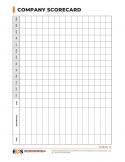
The EOS Scorecard is a weekly tool for tracking the five to 15 Measurables that matter most to your team.
A Measurable is a specific activity or result you track each week to tell you whether an important part of the business is on track. Each Measurable has:
- One owner
- One clear weekly goal
- 13 weeks of history
The Scorecard isn’t a giant dashboard, KPI report, or place to collect every metric in the business. It gives you a focused, objective view of what’s happening, so you don’t have to run the company on gut feel alone.
What Measurables Go on an EOS Scorecard?
The right Measurables give you the clearest weekly pulse on the business.
Depending on your company, those might include:
- Sales and marketing: new leads, sales calls, meetings, proposals, closed business, or expected revenue
- Operations: units produced, jobs completed, customer complaints, errors, on-time delivery, utilization, or overtime
- Finance and administration: cash balance, accounts receivable, overdue receivables, gross profit margin, payroll, or open positions
These are examples, not a checklist.
A plumbing company, manufacturer, software business, and professional services firm won’t need the same Scorecard. The right Measurables depend on what drives your business and what your team needs to see every week.
Watch the right weekly numbers so you can spot problems before they grow.
How to Choose the Right EOS Scorecard Metrics
To choose the right EOS Scorecard metrics, start with the five to 15 weekly Measurables that provide the clearest pulse on the business. The right Measurables are trackable every week, owned by one person, tied to a clear goal, and useful for spotting Issues or making decisions when something is off track.
Your first Scorecard doesn’t need to be perfect. It needs to be useful. Start with the leadership team Scorecard, review it every week, and refine it as you learn which Measurables help your team run the business better.
Start With the “One Sheet of Paper” Test
Imagine you were away from the business for 90 days and couldn’t talk with anyone on your team. Each week, someone handed you one sheet of paper with a handful of Measurables.
What would you need to see to know whether the business was on track?
That question usually gets you closer to the right Scorecard than starting with every report your company already produces.
For example, a service business might want to see new leads, booked appointments, completed jobs, callbacks, cash balance, and accounts receivable over 60 days. A manufacturer might care more about orders booked, units produced, scrap, on-time delivery, overtime, and cash.
The specific Measurables will be different. The test is the same:
Does this Measurable tell us something important about how the business is doing right now?
Look for Measurables You Can Track Weekly
The Scorecard is a weekly tool, so most Measurables should be available every week.
If one of your most important results only appears monthly or quarterly, ask what weekly activity helps drive it.
For example:
- If you care about monthly revenue, track weekly sales meetings or proposals
- If you care about customer retention, track weekly cancellations or complaints
- If you care about annual hiring goals, track weekly qualified applicants or interviews
This helps your team move from simply reporting results to spotting what may happen next.
Make Sure the Scorecard Covers the Business, Not Just Finance
Leadership teams often start with financial Measurables because they’re easy to find. Revenue, margin, cash, and accounts receivable matter, but they don’t tell the whole story.
Your Scorecard should give you a pulse on the major functions that drive the company.
Ask each leadership team member: What Measurable tells us whether your area is on track this week?
A sales leader may own qualified leads. An operations leader may own jobs completed on time. A finance leader may own cash or overdue receivables.
You don’t need the same number of Measurables from every function. You need enough visibility to know when an important part of the business needs more attention.
Favor Measurables That Help You Predict, Not Only Report
Some Measurables tell you what already happened. Others give you an early indication of what may happen next.
Lagging indicators measure results after the fact, such as revenue, profit, or closed sales.
Leading indicators often measure the activity that drives those results, such as sales meetings, proposals, appointments, or production output.
Suppose your sales goal is $100,000 a month. Revenue tells you whether you achieved the result. Weekly sales meetings and proposals may tell you earlier whether you’re likely to get there.
A strong Scorecard usually includes a mix of results and activity-based Measurables, with enough weekly activity numbers to help your team act before it’s too late to change the result.
The goal isn’t to debate whether every Measurable fits perfectly into one category. It’s to choose Measurables that help your team act sooner.
Choose Measurables With Clear Ownership
Before adding a Measurable to the Scorecard, ask who is accountable for driving it.
A strong Measurable should have one clear owner. If your team can’t identify who owns the result, that may be a sign the Measurable is too broad, too vague, or not useful enough for the Scorecard.
For example, “sales performance” is too broad. “Weekly proposals sent” is more specific, and the sales leader can own it even if several people contribute to the result. The same applies to on-time delivery: many people may influence that Measurable, but one leader should be accountable for ensuring it stays on track.
When evaluating a possible Measurable, ask:
- Who owns this result?
- Can that person influence the activity behind it?
- Will clear ownership help us act if it goes off track?
If you can answer those questions clearly, the Measurable is more likely to earn a place on the Scorecard.
Set a Goal That Makes “On Track” Obvious
Every Measurable needs a weekly goal. Without a weekly goal, your team can’t tell whether a Measurable is on track. If the Scorecard shows 42 sales calls, that number only becomes useful when the team knows the goal is 50. Now it’s clear the Measurable is off track and may need attention.
Your first goal may not be exactly right. Use your best information, track it consistently, and adjust as you learn.
The important part is that everyone looking at the Scorecard can quickly tell whether the Measurable is on track or off track.
Remove Measurables That Don’t Change a Decision
Ask one simple question:
If this Measurable were off track for three weeks, would we do anything differently?
If the answer is no, ask whether it belongs on the Scorecard.
Some Measurables are useful for a department. Others belong in financial reporting. Some are interesting without being actionable.
A Scorecard works best when every Measurable earns its place.
Use Off-Track Measurables to Surface Issues
An off-track Measurable is a signal. If a Measurable is off track and there is something to solve, drop it down to the Issues List and use IDS to Identify, Discuss, and Solve the real Issue.
Maybe proposals are down because qualified leads have dropped. Maybe on-time delivery is slipping because part of the Process is breaking down. Maybe receivables are rising because accountability for collections isn’t clear.
The Scorecard shows you where to look. The Issues List is where you solve the problem.
That keeps the Scorecard review fast, objective, and focused.
Expect Your Company Scorecard to Get Better With Use
The best way to improve a Scorecard is to use it.
Over the first several weeks, you may realize that one Measurable tells you very little, another is too difficult to collect weekly, or a different leading indicator provides earlier warning.
Make the adjustment.
A strong Scorecard doesn’t come from finding the perfect list on day one. It comes from consistently reviewing your Measurables and narrowing your focus to the ones that help your leadership team run the business.
Put Your Scorecard to Work Every Week
Once you’ve chosen your Measurables, the real value comes from using the Scorecard consistently.
Review it every week in your Level 10 Meeting. Determine whether each Measurable is on track or off track, and move on. When an off-track Measurable reveals an Issue that needs to be solved, drop it down to the Issues List.
Over time, those 13 weeks of history help you see patterns instead of reacting to one isolated week.
That’s the point of the Data Component: giving everyone an objective view of the business so your leadership team can see what’s happening and respond with facts.
Use Your Scorecard to Spot Issues Earlier and Act Faster
A strong Scorecard gives your team a clear, objective view of the business every week. With the right Measurables in place, you can see where performance is slipping, know who owns the result, and surface Issues before they become harder to solve.
That clarity helps your team make better decisions, stay accountable, and gain traction with fewer surprises.
Download the EOS Scorecard Tool and build a clearer weekly view of your business.
If your leadership team wants help strengthening the Scorecard and connecting it to the other EOS Tools, book a free 90-Minute Meeting to see how EOS can help strengthen the Six Key Components and help your team gain traction.
Ready to implement EOS?
An EOS Implementer helps your team install the full system and execute it with confidence.
Frequently Asked Questions
What Metrics Go on an EOS Scorecard?
The metrics that go on an EOS Scorecard are the five to 15 weekly Measurables that tell you whether the business is on track. In EOS, these weekly numbers are called Measurables. The right Measurables may include sales activity, operational numbers, financial numbers, customer issues, staffing numbers, or other weekly metrics that give the leadership team a clear pulse on the company.
What’s the Difference Between Leading and Lagging Indicators?
The difference between leading and lagging indicators on an EOS Scorecard is that leading indicators help you see what may happen next, while lagging indicators show what has already happened. For example, sales meetings or proposals may help predict future revenue, while closed sales or revenue show results after the fact. A useful Scorecard includes the right weekly Measurables to help the leadership team see problems early and act sooner.
How Do I Choose the Right Numbers for My Scorecard?
To choose the right numbers for your EOS Scorecard, start with the leadership team Scorecard and ask what five to 15 weekly Measurables would give the team the clearest pulse on the business. Each Measurable should be trackable weekly, have one owner, have a clear goal, and help the team identify an Issue or make a decision when the number is off track.