

What Is an
EOS Scorecard?
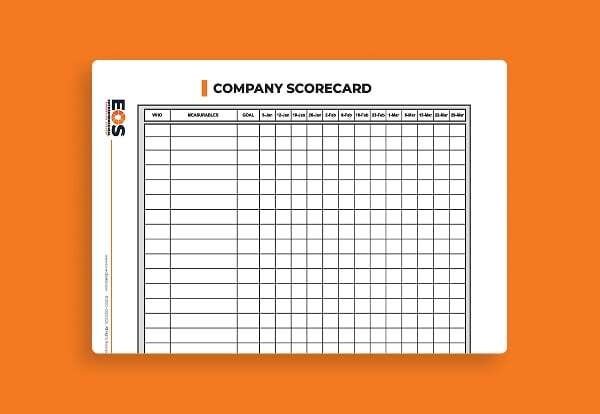
The EOS Scorecard gives you a clear weekly pulse on the business by tracking five to 15 important Measurables. Each Measurable has one owner and one weekly goal, so your team can make decisions with facts, spot changes early, and see where to act.
Why Use a
Scorecard?
The Scorecard gives you a clear, objective view of what’s working and what’s not, every week.
Without a simple set of weekly Measurables, teams can rely too heavily on delayed reports, incomplete information, and gut feel. That makes it harder to spot Issues early, create clear accountability, and know where to act.
The Scorecard helps you:
- See whether the business is on track
- Spot Issues before they grow
- Create clear accountability for each Measurable
- See trends over time
- Make faster, better-informed decisions
How Do You Build a Scorecard?
Build your Scorecard around five to 15 weekly Measurables, one owner for each Measurable, one clear weekly goal, and 13 weeks of history at a glance.
That structure keeps the tool simple enough to review quickly and useful enough to show trends, accountability, and off-track performance.
Choose Five to 15 Measurables
Pick the handful of weekly Measurables that give you the clearest pulse on the business.
Ask this: Which weekly Measurables would show us when the business is off track?
Make One Person Accountable for Each Measurable
Assign one person to each Measurable.
Clear ownership makes it easy to know who’s responsible for driving each Measurable.
Set a Weekly Goal
Define what “on track” looks like for every Measurable.
A clear goal lets your team know quickly when something needs attention.
Track 13 Weeks at a Glance
Enter the actual number every week and keep some history visible.
Seeing 13 weeks together helps your team recognize patterns and trends rather than reacting to a single week.
Review It Every Week
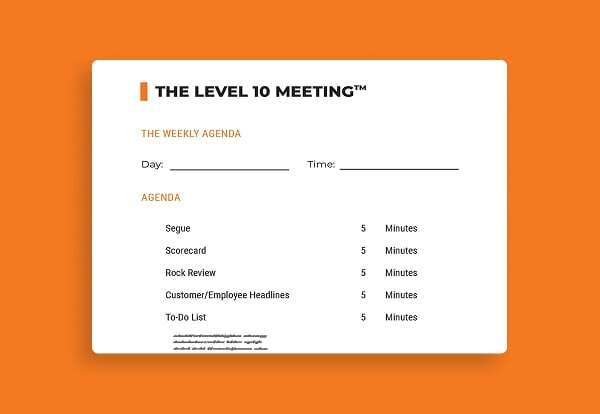
Review the Scorecard during your leadership team’s Level 10 Meeting.
If an off-track Measurable reveals an Issue, add it to the Issues List, so your team can solve it.
What Measurables Should You Track?
Track the numbers that give you the earliest, clearest signal that the business is on track. Start with Activity-Based Measurables whenever possible. They help you see what is likely to happen before the final result shows up. You may also include Current-State Measurables to show what is happening now.
Activity-Based Measurables
Early signals that help you predict results before they happen.
- Sales Appointments
- Qualified Leads
- Jobs Completed on Schedule
- Accounts Receivable over 60 Days
- Proposals Sent
- Customer Follow-Ups Completed
Current-state Measurables
Current numbers that show what needs attention right now.
- Cash on Hand
- Units Produced
- Open Positions
- Customer Complaints
- Warranty Claims
- Weekly Revenue
The goal is simple:
Choose Measurables that help your team see sooner, decide faster, and stay accountable. The best Scorecard numbers give you a weekly pulse on the business and help you predict whether revenue, new customers, on-time delivery, cash, quality, and team capacity are on track.
How Can
Departments Use Scorecards?
Departments can use Scorecards to track the weekly Measurables that matter most to their part of the business.
Start with the leadership team Scorecard. Once you’re using it consistently, extend the same discipline into departments.
A sales team may track leads, appointments, proposals, and closed business. An operations team may track production, on-time delivery, or rework.
Each departmental Scorecard follows the same basics:
- Weekly Measurables
- One owner per Measurable
- A clear weekly goal
- Consistent review
How Does the Scorecard
Connect to
EOS?
The Scorecard works with your other EOS Tools to turn weekly data into clearer accountability and faster Issue-solving.
The EOS Toolbox
Download the Free EOS Scorecard
Start tracking the weekly Measurables that give you the clearest pulse on the business.
Want to Go Deeper?
Explore simple, practical EOS resources to help you get more from the tools.